can dka occur in type 2 diabetes Dka: diabetic ketoacidosis
Type 1 Diabetes Mellitus is a chronic condition that affects millions of people worldwide. It occurs when the pancreas is unable to produce enough insulin, a hormone necessary for regulating blood sugar levels. Living with Type 1 Diabetes can be challenging, but with proper education and management, individuals can lead fulfilling lives.
Understanding Type 1 Diabetes
People with Type 1 Diabetes require daily insulin injections or the use of an insulin pump to manage their blood sugar levels. Without proper insulin regulation, blood sugar levels can become dangerously high, leading to a condition called Diabetic Ketoacidosis (DKA).
 DKA is a life-threatening condition that can arise due to a variety of factors, including illness, stress, inadequate insulin dosage, or incorrect administration of insulin. It is essential for individuals with Type 1 Diabetes to be aware of the potential triggers for DKA and seek appropriate medical care when necessary.
Nursing Care for Type 1 Diabetes
Nurses play a vital role in the management and care of individuals with Type 1 Diabetes. They provide education to patients and their families, helping them understand the importance of blood sugar monitoring, insulin administration, and dietary modifications. Nurses also assist in promoting a healthy lifestyle, including regular exercise and stress management techniques.
 Regular check-ups with healthcare professionals, including doctors and diabetes specialists, are crucial for individuals with Type 1 Diabetes. These appointments allow for the monitoring of blood sugar levels, adjustment of insulin dosages, and the identification of any potential complications.
Managing Type 1 Diabetes
Living with Type 1 Diabetes requires a proactive approach to self-care. Monitoring blood sugar levels regularly, according to the guidance of healthcare professionals, is essential for maintaining optimal health. Additionally, adhering to a balanced diet that includes carbohydrates, protein, and healthy fats can help regulate blood sugar levels and prevent complications.
Regular exercise not only helps control blood sugar levels but also improves overall well-being. Engaging in physical activities that are enjoyable, such as walking, swimming, or cycling, can help individuals with Type 1 Diabetes maintain a healthy weight and reduce the risk of cardiovascular problems.
Support for Individuals with Type 1 Diabetes
Living with Type 1 Diabetes can sometimes feel overwhelming. It is crucial for individuals to have a strong support system in place, including friends, family, and healthcare professionals. Support groups and online communities can provide a safe space for sharing experiences, exchanging information, and seeking advice from others who understand the challenges of living with this condition.
By embracing the necessary lifestyle changes and working closely with healthcare professionals, individuals with Type 1 Diabetes can lead full and meaningful lives. With proper education and management, the potential complications associated with the condition can be minimized, enabling individuals to thrive.
If you are searching about What Causes DKA? | Patient education, Medical knowledge, Stress hormones you’ve visit to the right page. We have 5 Pictures about What Causes DKA? | Patient education, Medical knowledge, Stress hormones like Downloadables - DANII Foundation, Diabetic ketoacidosis (DKA) | Ketosis symptoms and treatment | Diabetes UK and also Type 1 Diabetes Mellitus Nursing Care Management and Study Guide. Here you go:
What Causes DKA? | Patient Education, Medical Knowledge, Stress Hormones
www.pinterest.comdka insulin
Downloadables - DANII Foundation
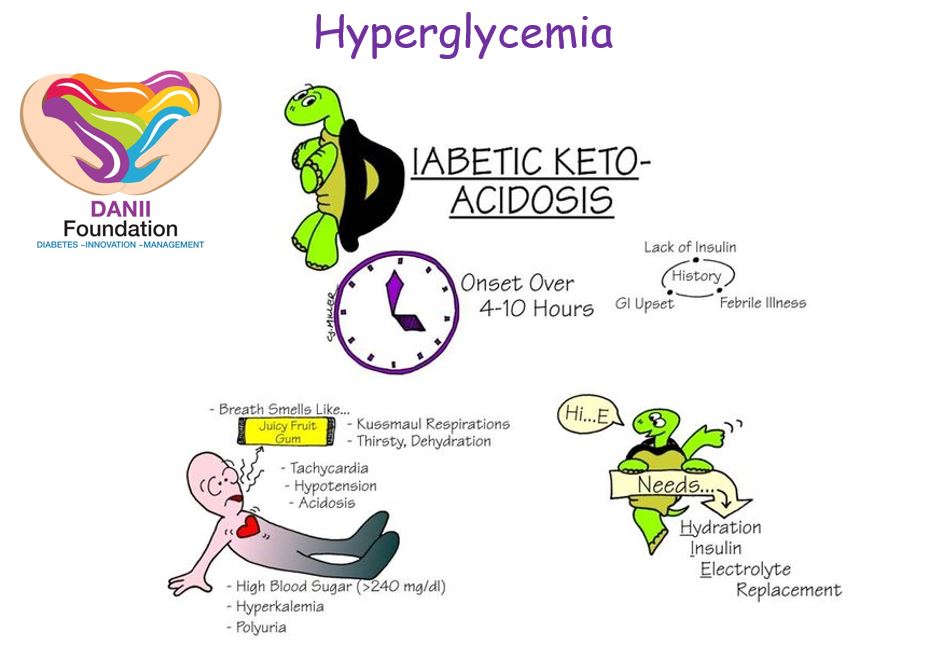 danii.org.auketoacidosis dka diabetic hyperglycemia ketones lead coma death danii hypo cycle au serious passing condition downloadables
DKA: Diabetic Ketoacidosis - Hohman Rehab Physical Therapy
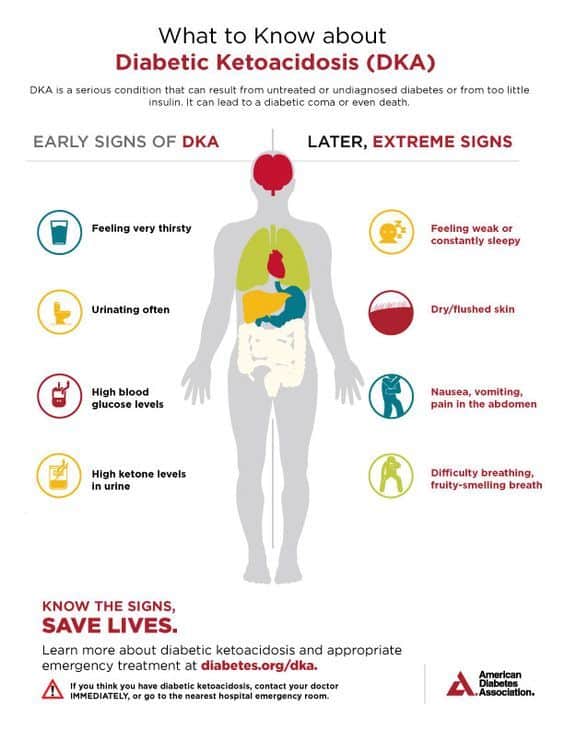 hohmanrehab.comketoacidosis diabetic dka diabetes type nursing symptoms blood sugar signs infographic ketosis diet low complication facts mellitus keto deadly notes
Diabetic Ketoacidosis (DKA) | Ketosis Symptoms And Treatment | Diabetes UK
 www.diabetes.org.ukdka ketoacidosis diabetic complications symptome fruity ketosis ketones mellitus anzeichen mantracare abdominal ursachen urine coma occasionally affects
Type 1 Diabetes Mellitus Nursing Care Management And Study Guide
nurseslabs.comdiabetes mellitus nurseslabs dka juvenile t1dm hyperglycemia glycosuria recognized
Diabetes mellitus nurseslabs dka juvenile t1dm hyperglycemia glycosuria recognized. Type 1 diabetes mellitus nursing care management and study guide. Diabetic ketoacidosis (dka)